Blog

Can Rainwater Be Used Indoors? A Practical Guide

Can Rainwater Be Used Indoors? A Practical Guide

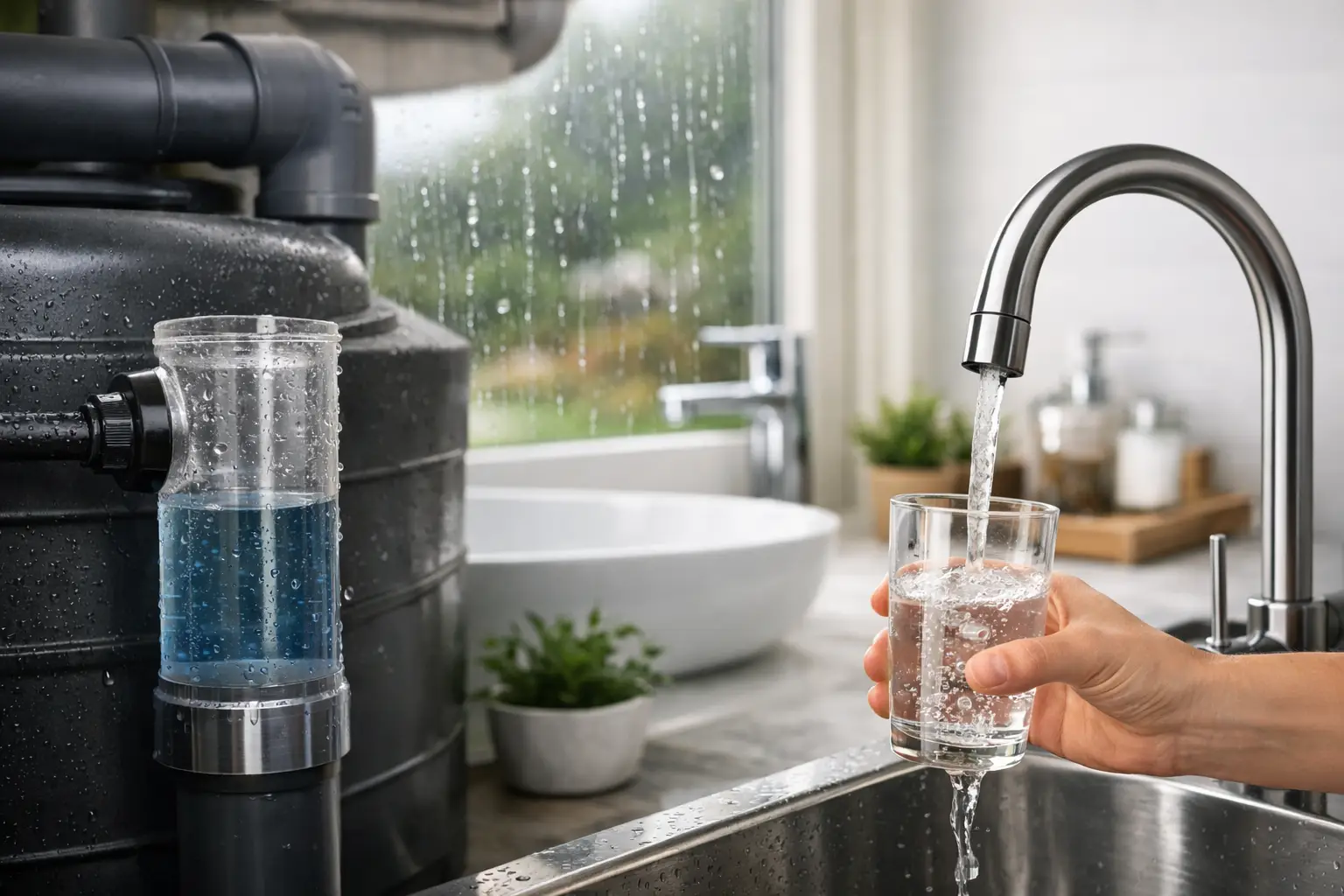
A full rainwater tank is more than a reserve for the garden. For many Australian homes, especially in regional areas, it can supply the laundry, toilets, hot water and even every tap in the house. But can rainwater be used indoors without creating problems for your family or plumbing? Yes – provided the collection, storage, pumping, filtration and pipework are designed for the purpose.

The right setup depends on how you plan to use the water. Rainwater for toilet flushing has different treatment needs to rainwater used for drinking, cooking and brushing teeth. Getting that distinction right early makes the system safer, more cost-effective and easier to maintain.

Can rainwater be used indoors safely?

Rainwater can be used indoors for non-drinking and drinking purposes. In many Australian homes it is connected to toilets, washing machines and cold-water taps. In rural and off-grid properties, it may be the primary household water source.

Fresh rainwater itself can be of good quality, but it picks up contaminants on the way from the roof to your tap. Leaves, dust, bird droppings, insects, smoke residue and material from gutters can all affect water quality. Water sitting in a poorly maintained tank can also develop sediment, organic matter or microbial contamination.

That does not mean indoor use is unsafe by default. It means a rainwater system needs the same practical planning as any other household water service. A clean roof catchment, protected tank inlet, reliable pump, suitable filters and proper plumbing separation all work together.

For drinking water use, check the current requirements that apply in your state or territory and speak with a licensed plumber or water treatment professional where needed. Local council conditions, building requirements and the quality of any backup mains supply can also influence the final design.

Choose the level of treatment for the job

The most sensible system is not always the most complicated one. Start by deciding which fixtures will run on rainwater, then select equipment to match.

Toilets, laundry and outdoor taps

For non-potable indoor uses, a well-maintained tank system commonly includes gutter protection, a first-flush device or rain-head, an inlet screen and a pump strainer. These components reduce the amount of debris reaching the tank and help protect the pump.

A sediment filter before the household line is often worthwhile. It can catch fine particles that may otherwise block tap aerators, washing machine inlet valves and toilet cisterns. The required micron rating depends on the water quality and the equipment installed downstream. Finer cartridges improve particle removal but may need replacing more often and can reduce flow if undersized.

Drinking, cooking and bathing

If rainwater will be used at drinking-water taps, treatment should be more considered. Many whole-house systems use staged filtration: a sediment cartridge first, followed by a carbon filter to improve taste and reduce selected chemicals or odours, then ultraviolet treatment as a final disinfection barrier.

UV systems can be highly effective when the water reaching the unit is clear enough for the UV light to work properly. That is why pre-filtration matters. A UV lamp does not remove dirt, leaves or sediment, and it cannot compensate for a neglected roof, dirty tank or failed filter cartridge.

Not every property needs the same filter train. A family relying entirely on tank water may choose whole-house filtration and UV, while a town property using rainwater only for the laundry may only require basic pre-filtration. The best value comes from treating the water to the level required, rather than paying for equipment that does not suit the use.

The indoor rainwater system: what each part does

A dependable household system begins before rain reaches the tank. Keeping gutters clear and fitting leaf screens reduces the maintenance load on every component after them. Roof materials matter too. Roofs and gutters should be suitable for rainwater collection and kept clear of overhanging branches where possible.

A first-flush diverter can help discard the initial runoff from a rainfall event, when dust and debris are often highest. It is especially useful after dry, windy periods or nearby bushfire smoke. Rain-heads and mosquito-proof screens help stop leaves, pests and larger debris entering the tank.

The tank needs a covered inlet, secure lid, screened overflow and access for occasional inspection and cleaning. Whether you choose a slimline tank beside the house or a larger round poly or steel tank on acreage, select capacity around household demand, roof catchment, local rainfall and the length of dry periods. A small tank may reduce mains use but run dry quickly; an oversized tank can cost more than the available roof area can realistically replenish.

From the tank, a correctly sized household pressure pump delivers water at a usable pressure. Pump selection should account for the number of bathrooms, likely simultaneous demand, pipe length, elevation changes and whether the pump will supply irrigation as well as the home. A pump that is too small can lead to weak showers and pressure cycling. One that is poorly matched to the pipework may operate inefficiently or wear prematurely.

A rain-to-mains changeover system can be a practical choice for town properties. It automatically switches to mains water when the tank is low, helping keep toilets and household fixtures operating during a dry spell. This connection must be installed correctly to prevent cross-connection or backflow risks. Never create a direct, unprotected connection between rainwater plumbing and potable mains plumbing.

Plumbing rules are not an optional extra

Indoor rainwater pipework should be installed by a licensed plumber and clearly identified where required. Plumbing regulations are intended to protect both your household supply and the public mains network.

Where rainwater serves non-drinking fixtures, those lines are generally kept separate from drinking-water lines. The exact pipe identification, backflow prevention and labelling requirements vary by location and installation type. New homes may also have planning or building conditions that specify rainwater tank connections.

For homes where tank water is the main drinking supply, the focus shifts to protecting water quality throughout the system. Dead-end pipe runs, poorly maintained filters and unused taps can allow water to stagnate. Good design keeps pipework practical, accessible and easy to service.

If you are renovating, tell your plumber at the start that rainwater will be used indoors. Retrofitting separate pipework later can be more disruptive and expensive than allowing for it during the first stage of work.

Maintenance keeps rainwater fit for household use

A quality tank and pump are long-term assets, but no rainwater system is maintenance-free. Most issues can be prevented with simple checks carried out at the right time of year.

After heavy leaf fall, storms or long dry periods, inspect gutters, screens and rain-heads. Make sure tank lids and mosquito screens remain secure, and check the overflow is draining away from the tank base and building. Look for obvious changes in water colour, smell or taste before assuming a filter alone will fix the problem.

Filter cartridges need changing according to their rated capacity, the manufacturer’s instructions and the condition of your incoming water. A cartridge that looks clean can still have reduced flow or be at the end of its useful life. UV lamps also require scheduled replacement, even if they continue to glow, because UV output falls over time.

Pumps benefit from a quick check for leaks, unusual noise, rapid cycling or pressure loss. Clean pump strainers where fitted and protect exposed equipment from weather and physical damage. If tank water appears contaminated, avoid drinking it until the source has been identified and the system has been inspected, cleaned or treated appropriately.

When indoor rainwater may not be the best option

Using rainwater indoors is not an automatic answer for every home. A very small roof catchment, low annual rainfall, frequent long dry periods or limited space for storage can make full-house supply less practical. In those cases, connecting rainwater to toilets and laundry first may still deliver worthwhile mains-water savings without the cost of whole-house treatment.

Water quality can also be affected by local conditions. Homes near busy roads, industrial activity, coastlines with salt spray, heavy tree cover or bushfire-prone areas may need more frequent maintenance and a more cautious treatment approach. Properties with older roofing materials should seek specific advice before collecting water for drinking.

There is also a cost trade-off. A complete system with tank, pump, changeover equipment, filters, UV treatment and plumbing can be a significant investment. The return is greater where water use is high, mains charges are costly, supply reliability matters or the property regularly experiences restrictions and outages.

Plan the system as one complete package

The most reliable indoor rainwater installations are designed as connected systems, not a tank added beside the house with a pump chosen later. Storage capacity affects how often you run out of water. Pump performance affects household comfort. Filtration protects both water quality and appliances. Correct plumbing keeps the system compliant and safe.

For a straightforward setup, list the fixtures you want rainwater to supply, how many people live at the property, the roof area available and whether mains water is present. From there, you can match a tank style, pump duty, filtration level and changeover arrangement to the way your household actually uses water.

A well-planned rainwater system gives your home more than stored water. It gives you a practical measure of water security – one that can keep working reliably through dry weather when it is properly sized, installed and maintained.

One thought on “Can Rainwater Be Used Indoors? A Practical Guide

Leave a Reply

Your email address will not be published. Required fields are marked *

Blog

Can Rainwater Be Used Indoors? A Practical Guide

Can Rainwater Be Used Indoors? A Practical Guide

A full rainwater tank is more than a reserve for the garden. For many Australian homes, especially in regional areas, it can supply the laundry, toilets, hot water and even every tap in the house. But can rainwater be used indoors without creating problems for your family or plumbing? Yes – provided the collection, storage, pumping, filtration and pipework are designed for the purpose.

The right setup depends on how you plan to use the water. Rainwater for toilet flushing has different treatment needs to rainwater used for drinking, cooking and brushing teeth. Getting that distinction right early makes the system safer, more cost-effective and easier to maintain.

Can rainwater be used indoors safely?

Rainwater can be used indoors for non-drinking and drinking purposes. In many Australian homes it is connected to toilets, washing machines and cold-water taps. In rural and off-grid properties, it may be the primary household water source.

Fresh rainwater itself can be of good quality, but it picks up contaminants on the way from the roof to your tap. Leaves, dust, bird droppings, insects, smoke residue and material from gutters can all affect water quality. Water sitting in a poorly maintained tank can also develop sediment, organic matter or microbial contamination.

That does not mean indoor use is unsafe by default. It means a rainwater system needs the same practical planning as any other household water service. A clean roof catchment, protected tank inlet, reliable pump, suitable filters and proper plumbing separation all work together.

For drinking water use, check the current requirements that apply in your state or territory and speak with a licensed plumber or water treatment professional where needed. Local council conditions, building requirements and the quality of any backup mains supply can also influence the final design.

Choose the level of treatment for the job

The most sensible system is not always the most complicated one. Start by deciding which fixtures will run on rainwater, then select equipment to match.

Toilets, laundry and outdoor taps

For non-potable indoor uses, a well-maintained tank system commonly includes gutter protection, a first-flush device or rain-head, an inlet screen and a pump strainer. These components reduce the amount of debris reaching the tank and help protect the pump.

A sediment filter before the household line is often worthwhile. It can catch fine particles that may otherwise block tap aerators, washing machine inlet valves and toilet cisterns. The required micron rating depends on the water quality and the equipment installed downstream. Finer cartridges improve particle removal but may need replacing more often and can reduce flow if undersized.

Drinking, cooking and bathing

If rainwater will be used at drinking-water taps, treatment should be more considered. Many whole-house systems use staged filtration: a sediment cartridge first, followed by a carbon filter to improve taste and reduce selected chemicals or odours, then ultraviolet treatment as a final disinfection barrier.

UV systems can be highly effective when the water reaching the unit is clear enough for the UV light to work properly. That is why pre-filtration matters. A UV lamp does not remove dirt, leaves or sediment, and it cannot compensate for a neglected roof, dirty tank or failed filter cartridge.

Not every property needs the same filter train. A family relying entirely on tank water may choose whole-house filtration and UV, while a town property using rainwater only for the laundry may only require basic pre-filtration. The best value comes from treating the water to the level required, rather than paying for equipment that does not suit the use.

The indoor rainwater system: what each part does

A dependable household system begins before rain reaches the tank. Keeping gutters clear and fitting leaf screens reduces the maintenance load on every component after them. Roof materials matter too. Roofs and gutters should be suitable for rainwater collection and kept clear of overhanging branches where possible.

A first-flush diverter can help discard the initial runoff from a rainfall event, when dust and debris are often highest. It is especially useful after dry, windy periods or nearby bushfire smoke. Rain-heads and mosquito-proof screens help stop leaves, pests and larger debris entering the tank.

The tank needs a covered inlet, secure lid, screened overflow and access for occasional inspection and cleaning. Whether you choose a slimline tank beside the house or a larger round poly or steel tank on acreage, select capacity around household demand, roof catchment, local rainfall and the length of dry periods. A small tank may reduce mains use but run dry quickly; an oversized tank can cost more than the available roof area can realistically replenish.

From the tank, a correctly sized household pressure pump delivers water at a usable pressure. Pump selection should account for the number of bathrooms, likely simultaneous demand, pipe length, elevation changes and whether the pump will supply irrigation as well as the home. A pump that is too small can lead to weak showers and pressure cycling. One that is poorly matched to the pipework may operate inefficiently or wear prematurely.

A rain-to-mains changeover system can be a practical choice for town properties. It automatically switches to mains water when the tank is low, helping keep toilets and household fixtures operating during a dry spell. This connection must be installed correctly to prevent cross-connection or backflow risks. Never create a direct, unprotected connection between rainwater plumbing and potable mains plumbing.

Plumbing rules are not an optional extra

Indoor rainwater pipework should be installed by a licensed plumber and clearly identified where required. Plumbing regulations are intended to protect both your household supply and the public mains network.

Where rainwater serves non-drinking fixtures, those lines are generally kept separate from drinking-water lines. The exact pipe identification, backflow prevention and labelling requirements vary by location and installation type. New homes may also have planning or building conditions that specify rainwater tank connections.

For homes where tank water is the main drinking supply, the focus shifts to protecting water quality throughout the system. Dead-end pipe runs, poorly maintained filters and unused taps can allow water to stagnate. Good design keeps pipework practical, accessible and easy to service.

If you are renovating, tell your plumber at the start that rainwater will be used indoors. Retrofitting separate pipework later can be more disruptive and expensive than allowing for it during the first stage of work.

Maintenance keeps rainwater fit for household use

A quality tank and pump are long-term assets, but no rainwater system is maintenance-free. Most issues can be prevented with simple checks carried out at the right time of year.

After heavy leaf fall, storms or long dry periods, inspect gutters, screens and rain-heads. Make sure tank lids and mosquito screens remain secure, and check the overflow is draining away from the tank base and building. Look for obvious changes in water colour, smell or taste before assuming a filter alone will fix the problem.

Filter cartridges need changing according to their rated capacity, the manufacturer’s instructions and the condition of your incoming water. A cartridge that looks clean can still have reduced flow or be at the end of its useful life. UV lamps also require scheduled replacement, even if they continue to glow, because UV output falls over time.

Pumps benefit from a quick check for leaks, unusual noise, rapid cycling or pressure loss. Clean pump strainers where fitted and protect exposed equipment from weather and physical damage. If tank water appears contaminated, avoid drinking it until the source has been identified and the system has been inspected, cleaned or treated appropriately.

When indoor rainwater may not be the best option

Using rainwater indoors is not an automatic answer for every home. A very small roof catchment, low annual rainfall, frequent long dry periods or limited space for storage can make full-house supply less practical. In those cases, connecting rainwater to toilets and laundry first may still deliver worthwhile mains-water savings without the cost of whole-house treatment.

Water quality can also be affected by local conditions. Homes near busy roads, industrial activity, coastlines with salt spray, heavy tree cover or bushfire-prone areas may need more frequent maintenance and a more cautious treatment approach. Properties with older roofing materials should seek specific advice before collecting water for drinking.

There is also a cost trade-off. A complete system with tank, pump, changeover equipment, filters, UV treatment and plumbing can be a significant investment. The return is greater where water use is high, mains charges are costly, supply reliability matters or the property regularly experiences restrictions and outages.

Plan the system as one complete package

The most reliable indoor rainwater installations are designed as connected systems, not a tank added beside the house with a pump chosen later. Storage capacity affects how often you run out of water. Pump performance affects household comfort. Filtration protects both water quality and appliances. Correct plumbing keeps the system compliant and safe.

For a straightforward setup, list the fixtures you want rainwater to supply, how many people live at the property, the roof area available and whether mains water is present. From there, you can match a tank style, pump duty, filtration level and changeover arrangement to the way your household actually uses water.

A well-planned rainwater system gives your home more than stored water. It gives you a practical measure of water security – one that can keep working reliably through dry weather when it is properly sized, installed and maintained.
Leave a Reply

Your email address will not be published. Required fields are marked *