When a stormwater pit fills, a low-lying yard holds water, or a tank overflow needs moving quickly, submersible pumps for drainage provide a practical answer. They sit directly in the water they are removing, which makes them compact, quiet in operation and well suited to domestic, rural and commercial drainage jobs. The right pump can clear unwanted water reliably. The wrong one may struggle with debris, fall short on lift, or cycle when nobody is there to monitor it.
For Australian properties, drainage pumping is rarely a one-size-fits-all purchase. A clean rainwater sump, a muddy farm drainage trench and a construction site with sandy water each place different demands on the pump. Choosing well starts with understanding the water, the required flow and the path the water must travel before it can be discharged safely.
What submersible pumps for drainage do
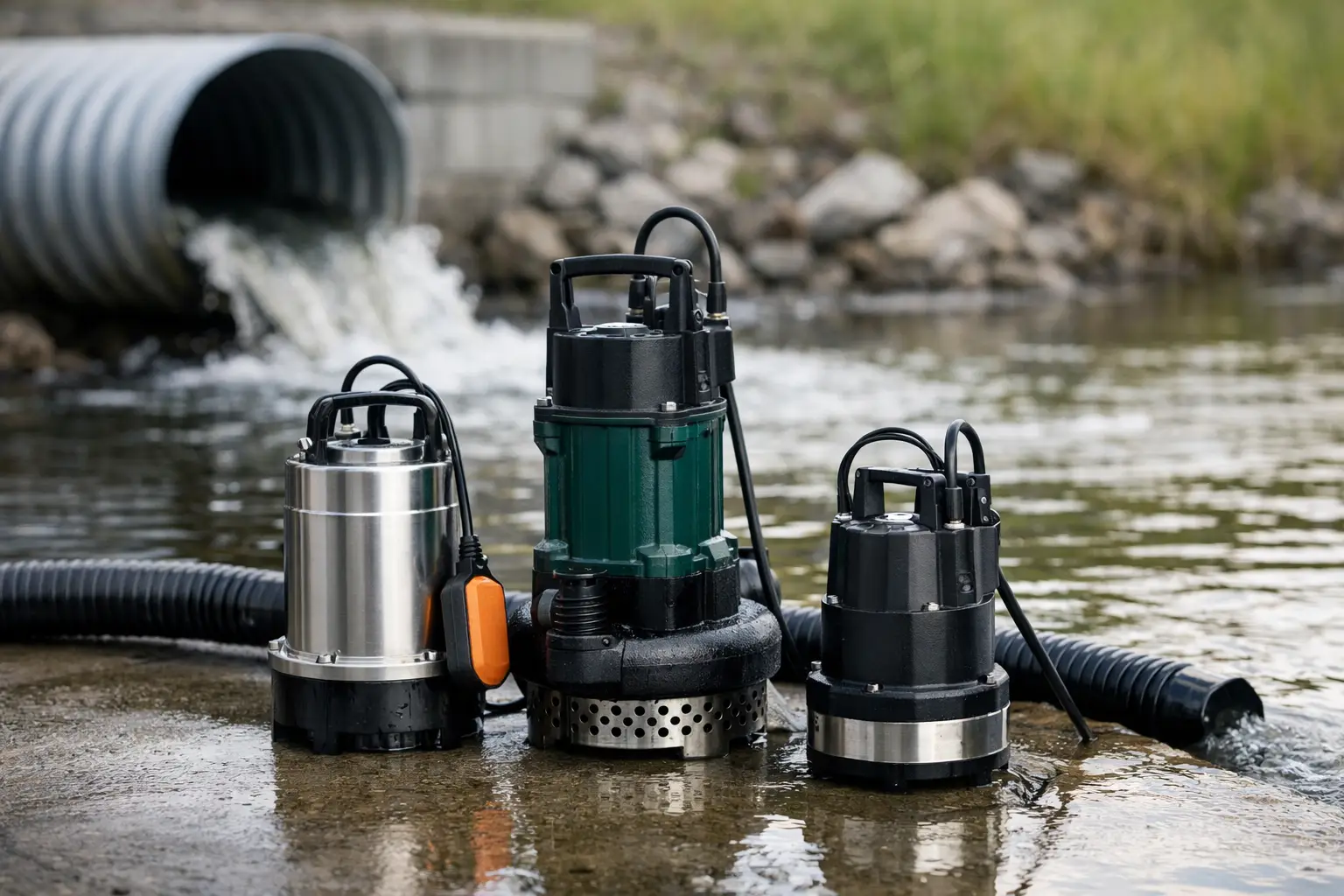
A submersible drainage pump is designed to operate while immersed in water. The motor is sealed from the water, and the pump pushes water up through a discharge outlet and hose or pipe. Unlike a surface pump, it does not need priming and does not rely on suction lift from above the water level.
This design is particularly useful for pits, sumps, tanks, flooded areas and confined spaces where placing a surface pump would be inconvenient. Most drainage pumps are intended for intermittent water removal rather than supplying household pressure or running a full irrigation system. They are a drainage tool first, selected to move water out of a problem area efficiently.
Many models have a float switch that starts the pump as water rises and turns it off as the level drops. This automatic operation is valuable for stormwater pits, especially at a holiday house, acreage property or building where a sudden downpour can occur without anyone nearby.
Start with the water you need to move
The most useful question is not simply, “How powerful is the pump?” It is, “What will be in the water?” The answer determines whether a clean-water, dirty-water or specialised wastewater pump is appropriate.
Clean-water drainage pumps
Clean-water pumps suit relatively clear water with only fine suspended material. They are commonly used for rainwater sumps, clean tank drainage, pool cover water and indoor flooding where there is little grit or leaf matter. They can often drain to a lower residual water level than pumps built for larger solids, which is helpful when clearing a shallow pit or floor area.
However, clear-water pumps are not the best choice for water containing leaves, bark, mud, gravel or heavy sediment. Those materials can block the intake or wear internal components over time.
Dirty-water drainage pumps
Dirty-water pumps are built to handle water with larger suspended particles. They are usually the better option for outdoor pits, flooded gardens, building sites, farm sheds and drainage points that collect silt or organic debris. Check the manufacturer’s stated solids-handling capacity rather than assuming every dirty-water model handles the same material.
A pump that accepts small particles may still block on wet leaves or fibrous debris. If your pit collects substantial leaf litter, fitting a suitable screen or maintaining the pit regularly can protect the pump and reduce call-outs during wet weather.
When a drainage pump is not enough
Drainage water and sewage are not the same thing. If the water contains toilet waste, sanitary products or other sewage solids, a purpose-designed sewage or grinder pump may be required. Likewise, chemicals, saltwater, abrasive slurry or hot water can require materials and seals that ordinary drainage pumps do not have.
It pays to be specific about the application before buying. A pump chosen for a clean rainwater pit may not be suitable for greywater, animal waste areas or a corrosive commercial wash-down environment.
Match flow rate to head height
Pump specifications usually list a maximum flow rate and a maximum head. Both matter, but they cannot be read in isolation.
Flow rate is the volume of water a pump can move, often measured in litres per minute or litres per hour. Maximum head is the greatest vertical height the pump can push water. The catch is that a pump does not deliver its maximum flow at its maximum head. As lift increases, available flow decreases.
For example, a pump may need to lift water from a 2-metre-deep pit, then push it along a hose to a discharge point above ground. The vertical lift, hose length, bends, narrow fittings and valves all add resistance. This is known as total dynamic head. A long, undersized hose can noticeably reduce real-world performance, even where the stated vertical lift looks modest.
Before selecting a pump, measure the vertical distance from the lowest likely water level to the discharge point. Then consider how far the hose or pipe will run and whether the route includes tight bends or restrictive fittings. For longer runs, a suitably sized discharge line can make more difference than choosing a pump with a slightly higher headline flow rating.
Choose automatic operation where it earns its keep
A manual drainage pump operates when switched on and should be supervised so it does not run dry. It can be a sensible, value-focused choice for occasional clean-up work, such as emptying a small tank or clearing water after washing down a shed.
An automatic pump with a float switch is generally more useful for recurring drainage. The float rises with the water level and activates the pump, then stops it once the water has dropped. This reduces the risk of an overflowing stormwater pit and avoids the need to check the weather before leaving a property unattended.
Float switches need room to move. In a narrow pit, the float can become restricted against the wall, pipework or pump handle. Where space is limited, look for a pump and switch arrangement suited to a compact sump, or consider a control system designed for the application. Test the switching action after installation rather than assuming it will work correctly once the lid is closed.
Installation details that protect performance
A drainage pump works best when it is placed on a firm, level base. Avoid sitting it directly in loose mud or fine silt where possible, as sediment can be drawn into the intake or interfere with the impeller. A stable paver or suitable pump stand can help keep the intake clear while still allowing water to reach the pump.
Use a discharge hose or pipe that matches the pump outlet and is rated for the job. Lay the hose to avoid kinks, sharp crushing points and routes where vehicles may drive over it. If backflow could refill the pit when the pump stops, a correctly selected non-return valve may be worthwhile. It should also remain accessible for inspection, because valves can collect debris.
Electrical safety deserves equal attention. The pump should be connected to a suitable weather-protected power supply with residual current device protection. Keep plugs and connections dry, and do not handle electrical connections while standing in water. For permanent wiring, outdoor electrical work or any uncertainty about the installation, use a licensed electrician.
The discharge point also matters. Pumping water merely from one low point to another can create a bigger problem next door. Direct water to a lawful, suitable point that will not erode soil, undermine structures, overload a drainage system or affect neighbouring properties. Local council requirements and site conditions can influence what is permitted.
Do not overlook residual water level and duty cycle
Two specifications are often missed in a quick comparison: the minimum residual water level and the duty cycle. Residual water level is how much water remains once the pump can no longer draw effectively. If you need to remove water from a flat surface almost completely, a low-level drainage pump may be more suitable than a standard sump pump.
Duty cycle describes how long the pump can run and how much rest it needs under particular conditions. A pump sized only for a short emergency drain-down may overheat if used continuously for hours. For a pit that receives frequent inflow, choose a model intended for automatic, repeated operation and make sure its capacity exceeds the likely incoming water volume.
This is particularly relevant for stormwater pits during intense rainfall. The best drainage setup is not simply the pump with the highest advertised output. It is the one that can maintain useful flow at your actual head height, handle what enters the pit and operate reliably through repeated cycles.
Basic maintenance prevents most drainage failures
Drainage pumps are straightforward equipment, but they should not be installed and forgotten. Before the wet season, lift the pump out if safe to do so, remove debris from the intake and inspect the cable, float switch, hose and fittings. Clean sediment from the bottom of the pit and make sure the discharge route is open.
A practical test is to add water to the pit or activate the pump according to its operating instructions. Watch that the float starts and stops the pump at the expected levels, and check that water reaches the discharge point without leaks or backflow. If the pump runs but delivers less water than usual, look first for a blocked intake, damaged hose, partially closed valve or excess lift.
For homeowners and property managers, a properly selected drainage pump is inexpensive insurance against avoidable water damage. For farms, builders and commercial sites, it can keep access areas, pits and work zones usable when water needs to move without delay.
If you are comparing submersible pumps for drainage, bring together the key details before ordering: the water type, solids size, lift, hose run, available pit space and whether automatic operation is needed. Aus Water Tanks can help match those practical details to a dependable pump solution, so the equipment you install is ready when the rain arrives.