In Australia, establishing a dependable rainwater harvesting system is essential for homeowners, agriculturalists, and business owners alike. Many prevalent challenges arise from improper sizing, incompatible pumps, or overlooked filtration systems. To guarantee consistent water supply for your home, farm, workshop, or commercial property, the design must be customized according to your roof area, rainfall patterns, daily water usage, and water quality requirements.
Significance of Rainwater Harvesting in NSW
In Australia, rainfall can be unpredictable throughout the year. Two properties located close to one another may face dramatically different catchment conditions, storage requirements, and maintenance obligations. A system designed for a weekend retreat may not be sufficient for a permanent residence, while a basic stockwater setup may require appropriate treatment to ensure it is safe for drinking.
Core Elements of an Effective Rainwater Harvesting System
An optimally designed rainwater harvesting system should accomplish four key functions:
- Collecting water from the roof.
- Transporting it seamlessly to storage.
- Delivering it at the required pressure.
- Preserving water quality during storage and usage.
These factors extend beyond just tank size; they also involve gutters, downpipes, leaf management systems, first flush devices, tank materials, outlet configurations, pump selection, filtration, and overflow control.
Evaluating Trade-offs in System Design
The trade-offs associated with rainwater harvesting systems begin in the planning stages. Although a larger tank can offer enhanced security during dry spells, it necessitates more space and a greater financial investment. On the other hand, a smaller tank may be adequate for seasonal use, but if rainwater is your primary source, underestimating the size can lead to increased costs over time. Retrofitting additional storage, altering pipework, or replacing an insufficient pump is rarely the most economical solution.
Prioritize Water Demand Over Tank Size
A frequent error in designing a rainwater harvesting system is focusing on tank selection before assessing water demand. A more effective strategy is to first gauge your water needs and then determine what your roof can realistically collect.
For residential properties, water demand is influenced by factors such as occupancy, fixture efficiency, garden irrigation, and whether rainwater supplies the entire home or just toilets, laundry, and outdoor taps. For rural settings, additional considerations include troughs, washdowns, sheds, or livestock needs. In commercial environments, water demand can vary significantly based on staff numbers and peak usage periods.
Assessing Catchment and Collection Efficiency
The roof area functions as the collection engine of your rainwater harvesting system. Generally, a larger roof captures more rainwater, but not all square meters perform equally. Elements like roof pitch, material choice, gutter layout, and debris load can all affect efficiency. Metal roofs typically offer reliable collection, while older or more complex roof designs can introduce losses and maintenance challenges.
It’s crucial to acknowledge that not all rainfall will reach the tank. Some water is lost due to first flush diversion, evaporation, gutter overflow, and minor inefficiencies. Therefore, a practical design should incorporate a collection factor instead of assuming 100% capture.
In many instances, improving catchment efficiency can yield more significant benefits than merely increasing storage capacity. Adding extra downpipes, correcting gutter slopes, installing leaf screens, and ensuring properly sized pipework can greatly enhance performance during heavy rain. If water is bypassing the tank during storms, the issue may stem from conveyance rather than storage.
Choosing the Right Tank Size and Material
Tank sizing should reflect both average usage and your risk tolerance. If your property can switch to mains or another water source when needed, a leaner design may be acceptable. However, if the tank serves as your primary water supply, you will generally require more storage security.
For many regions throughout NSW a sensible approach is to size tanks based on dry periods rather than average monthly usage. Average figures may seem favorable on paper but can leave you short during prolonged dry spells, particularly for larger homes, farms, and small businesses where water interruptions can create significant operational challenges.
The material of the tank also influences your design decisions. Poly tanks are often the preferred choice for many residential and rural applications due to their cost-effectiveness, durability, and variety of sizes. Steel and Aquaplate tanks may be more appropriate for larger storage needs or specific site configurations, depending on your preferences regarding footprint and aesthetics.
The Role of Proper Pump and Pressure Design
A tank filled with water is just one aspect of the solution. If the pump is not adequately matched to the site, the system can become noisy, inconsistent, or frustrating to operate. Effective pump selection should consider flow rate, pressure, pipe runs, elevation changes, and the number of simultaneous outlets in use.
For household applications, stable pressure is critical for showers, toilets, taps, and appliances. For irrigation or washdown tasks, the requirements may differ significantly. Long pipe runs to sheds or troughs can lead to unexpected pressure losses, meaning a pump that appears suitable on paper may not perform well once installed.
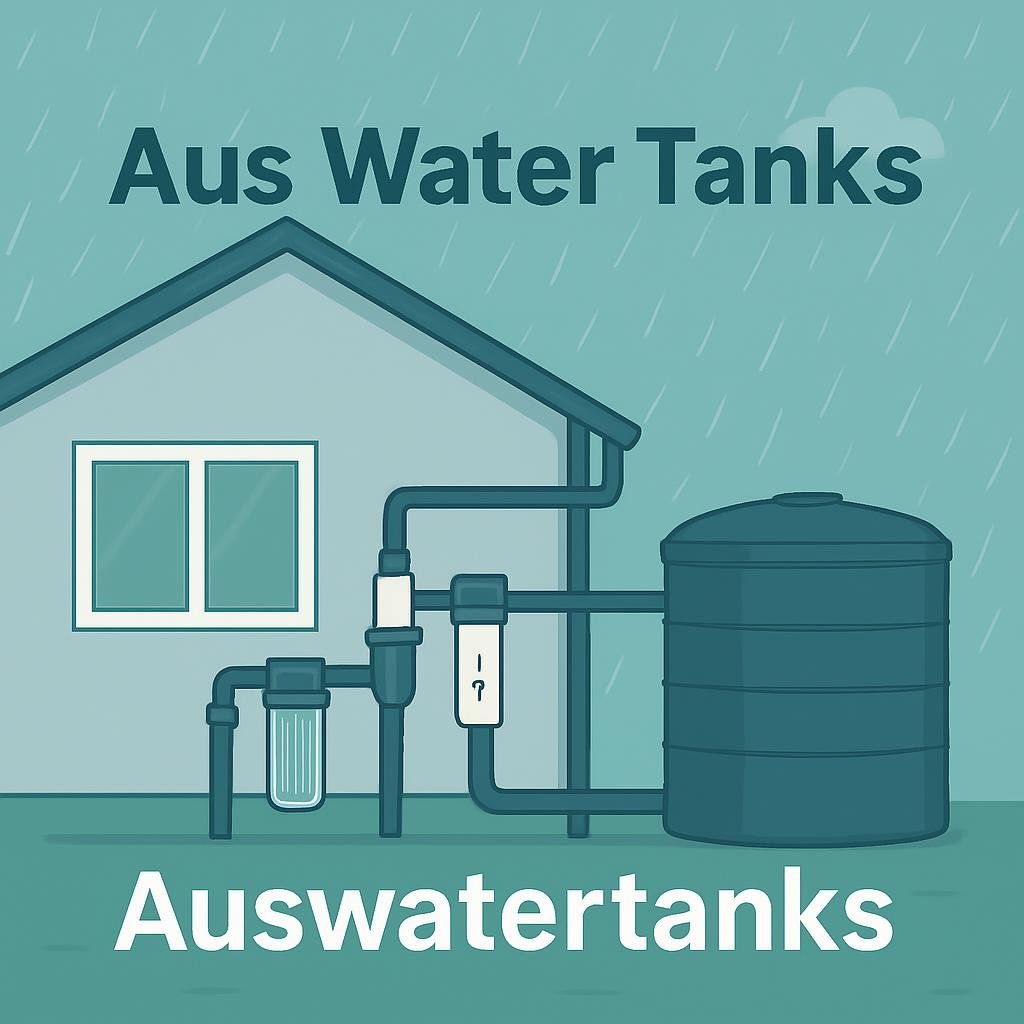
This highlights the necessity for comprehensive system design from the outset. The tank, pump, and plumbing must be considered as an integrated system. If you’re planning to include filtration or UV treatment for potable water, this will also affect pressure and flow since treatment equipment introduces additional resistance that should be factored in.
Filtration and Water Quality Considerations
The quality of rainwater begins at the roof and is preserved throughout the entire system. Clean gutters, effective leaf screening, mosquito-proof inlets, and appropriate first flush devices help minimize contamination before water enters storage. Once inside the tank, proper sealing, overflow screening, and smart draw-off arrangements help maintain water quality.
If the water is intended for household use, filtration should be tailored to the specific application. Basic sediment filtration may suffice for some non-potable uses, while a whole-house supply often requires a comprehensive approach, including finer filtration and UV sterilization for drinking water. The optimal setup depends on source quality, intended use, and maintenance commitment.
No single filter combination will suit every property. Heavily treed sites, coastal areas, and older roofs may impose higher demands on the system. A design that initially appears economical can become high-maintenance if the filtration system is not suited for local conditions.
Conclusion
Developing an effective rainwater harvesting system is vital for optimizing water use and enhancing sustainability. By considering local rainfall patterns, water demand, and system components, you can create a functional and reliable system tailored to your needs. Whether for residential, agricultural, or commercial purposes, dedicating time to the design process will yield long-lasting benefits, providing a dependable water supply for your property.
Crafting an Effective Rainwater Harvesting System