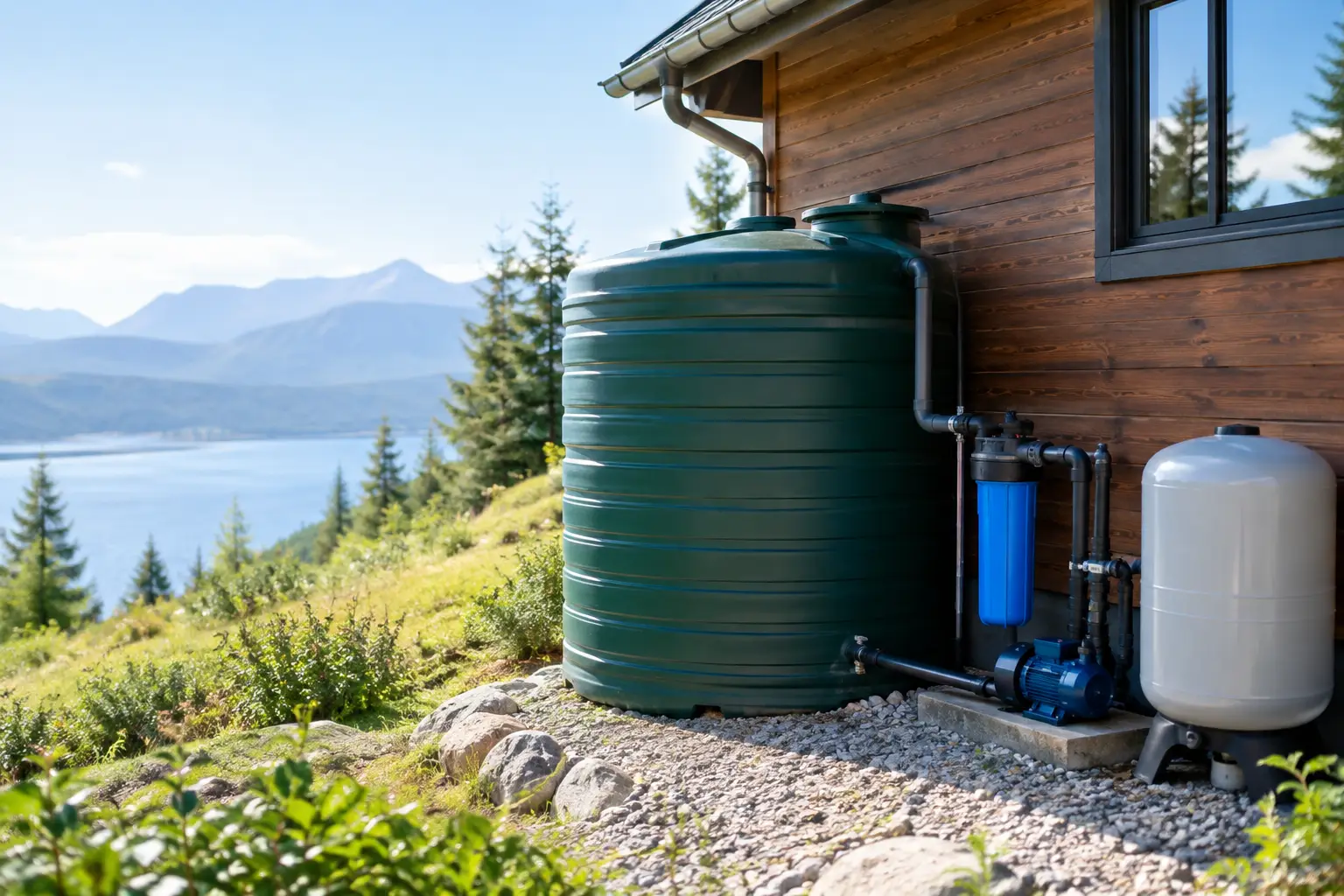
A dry spell has a way of exposing weak points in a water setup. A tank that looked generous in winter can run low after weeks without meaningful rain, while an undersized pump may struggle as soon as two taps, a shower and a washing machine run together. Good off grid water planning starts by treating storage, pumping and water quality as one connected system – not a collection of separate purchases.
For rural homes, acreage blocks, cabins and properties beyond reliable town supply, the goal is straightforward: safe, dependable water where and when you need it. The right system should suit your roof catchment, household demand, climate, budget and future plans, including livestock or fire protection where relevant.
Start with your water demand
The tank size is often the first decision, but it only makes sense once you understand how much water the property uses. A couple in a modest off-grid home may have very different needs from a family with teenagers, guests, gardens, animals and a shed wash-down area.
Consider every regular use: drinking, cooking, showers, toilets, laundry, dishwashing and outdoor taps. Then allow for the demands that are easy to overlook, such as topping up a small pool, watering productive gardens, washing machinery or supplying a granny flat. If rainwater is your only household source, planning for lean months matters more than planning around average annual rainfall.
Conservative use helps make storage go further. Water-efficient shower heads, front-loading washing machines, sensible garden zones and prompt repair of leaks can reduce demand without making daily life inconvenient. However, efficiency is not a replacement for enough reserve capacity. A household relying solely on rainwater needs a practical buffer for dry periods, delayed rainfall and unexpected visitors.
Matching storage to rainfall and roof area
Your roof is the collection surface, and its usable area sets a limit on what can be harvested. As a simple guide, one millimetre of rain falling on one square metre of roof produces about one litre of water before losses. First-flush diversion, gutter overflow, wind and evaporation all reduce the amount that reaches the tank, so actual collection is lower than the headline calculation.
A large roof in a high-rainfall coastal area may refill storage regularly. A smaller roof in an inland district with variable rainfall may need considerably more tank capacity to carry a household through dry weather. Local rainfall patterns are more useful than annual averages alone. Look at how long dry stretches can last, not just how much rain falls across a full year.
Tank shape affects where that storage can go. Round poly tanks offer excellent capacity for open areas and rural blocks. Slimline tanks can suit side access, narrow boundaries and urban-style lots where space is limited. Steel tanks are a strong option for large-volume storage and properties that need a durable, long-term installation. UV-stabilised poly and quality Aquaplate steel tanks are built for Australian outdoor conditions, but placement, base preparation and installation still matter.
A sound, level base is essential. It must support the full weight of a tank, not merely the empty tank. One litre of water weighs approximately one kilogram, so even a mid-sized domestic tank carries many tonnes when full. Plan access for delivery, allow room for downpipes and overflows, and make sure valves and filters remain easy to reach for servicing.
Off grid water needs the right pump
A tank gives you reserve water. A pressure pump makes it usable throughout the home. Pump selection should be based on flow rate, pressure and the distance or height the water must travel, rather than choosing the highest-powered model on the shelf.
For a typical home, a household pressure pump should comfortably run common fixtures without noticeable pressure drop. The practical test is your likely peak demand. If someone showers while another person uses a kitchen tap and the washing machine is filling, the pump needs to cope. Long pipe runs, elevated homes, steep blocks and multiple buildings all add resistance and may require a different pump specification.
Pump location is worth thinking through early. A protected, well-ventilated position close to the tank can reduce noise and simplify plumbing. Use appropriate pipe sizing and quality fittings to avoid pressure loss. A pump cover or enclosure can protect equipment from weather, but it must not trap heat or make maintenance difficult.
Where a property has town water available as a backup, a rain-to-mains pump can automatically switch supply when tank levels are low. This is not fully off-grid, but it can be a sensible water-security option for homes where rainwater remains the preferred source. For genuinely standalone sites, consider how the pump will be powered and what happens during an outage. Solar systems may need suitable battery capacity, while a backup generator can provide peace of mind in extended bad weather.
Protect drinking water from the roof to the tap
Rainwater can be an excellent household supply, but its quality depends on good collection and treatment practices. Leaves, dust, bird droppings, insects and other debris can enter gutters and tank water. The answer is a staged approach, beginning before water reaches the tank.
Keep gutters clean, fit effective leaf screening and use a first-flush device to divert the initial runoff after dry weather. A sealed tank with insect-proof mesh on inlets and overflows helps prevent mosquitoes, vermin and debris from entering. The outlet should be positioned so sediment resting at the bottom of the tank is not drawn into the house supply.
For water used for drinking and food preparation, filtration is usually a worthwhile investment. Sediment cartridges remove fine particles and help protect downstream equipment. Carbon filtration can improve taste and reduce odours. UV treatment provides an additional barrier against microorganisms when water is clear enough for the UV unit to work effectively.
The order of these components is important. UV systems need properly filtered water, because turbidity or sediment can shield microorganisms from the UV light. Replacement cartridges and UV lamps also need servicing on schedule. A water treatment system is only as dependable as its maintenance routine, so choose filter housings, cartridge sizes and service kits that are practical for the property owner to manage.
Water quality needs can vary. A family drinking tank water every day may choose sediment, carbon and UV filtration at the kitchen or whole-house entry point. A farm may separate potable water treatment from stock, irrigation and wash-down supplies to avoid filtering water that does not need drinking-water quality. If you have concerns about contamination, testing the water can help determine the most suitable treatment path.
Plan for overflow, fire and future demand
Every tank needs a properly managed overflow. Direct it away from footings, neighbouring properties and areas prone to erosion. On sloping blocks, overflow water may be directed to a stable drainage point, a swale or additional storage, subject to local requirements and site conditions.
Fire preparedness can influence tank and pump choices. Some rural properties maintain dedicated static water storage, accessible fittings or a suitable fire pump. Requirements vary between councils, developments and bushfire-prone areas, so confirm what applies before installation. Do not assume household storage or a standard pressure pump meets a fire-fighting requirement.
It also pays to allow for expansion. A new shed, livestock, garden, studio or second dwelling can quickly change water demand. Installing a tank with provision for interconnection, or selecting a site where another tank can be added later, is often more cost-effective than redesigning the whole system. Likewise, choose plumbing layouts with isolation valves and accessible fittings so equipment can be serviced without shutting down the entire property.
Build a system you can maintain
Off-grid water infrastructure rewards regular, simple maintenance. Check gutters and screens after storms, inspect tank inlets and overflows, look for pump cycling that could indicate a leak, and replace filter consumables as recommended. Keep an eye on tank levels through the dry season rather than waiting for a pump to run dry.
Buying compatible equipment from one specialist can make this easier. Aus Water Tanks can help match storage, pressure pumping, filtration and essential tank accessories so the system is designed to work together from the outset. For larger, unusual or remote installations, a no-obligation quote is a practical way to confirm capacity, delivery access and component suitability before ordering.
A well-planned water system should feel unremarkable in daily life: clean water at the tap, steady pressure in the shower and enough stored supply to get through the next dry spell with confidence.