The Importance of Rainwater Harvesting for Your Rural Property
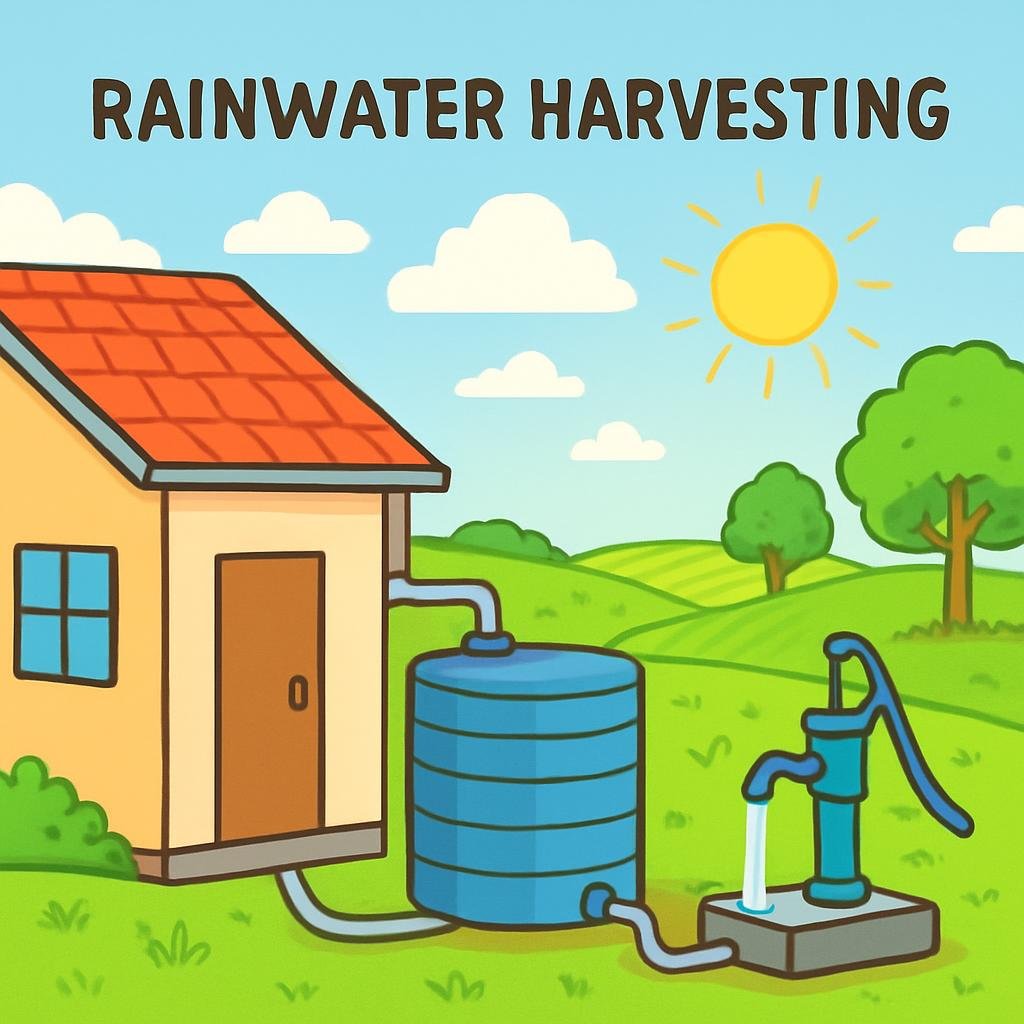
Ensuring a reliable water supply is essential for rural property owners, especially during dry spells. A well-planned rainwater harvesting system is more than just placing a tank next to a shed. It efficiently and sustainably meets your water needs by considering factors like roof area, rainfall patterns, and pump requirements.
Why Rainwater Harvesting Matters
In rural areas, access to town water is often limited or unavailable. Harvested rainwater becomes a primary resource for homes, livestock, and agriculture. Investing in a robust rainwater harvesting system transforms convenience into essential infrastructure, supporting daily operations and enhancing self-sufficiency.
Determine Demand Before Tank Size
A common mistake is choosing tank size based on available space instead of actual water demand. Consider all uses, including household consumption, livestock, and irrigation, to determine the required capacity. Maximize roof catchment by collecting rainwater from multiple structures to enhance efficiency.
Choosing the Right Tank and Placement
Tank selection involves more than just volume. Consider the material, site conditions, and maintenance accessibility. Poly tanks are durable and cost-effective, while steel tanks are robust for larger volumes. Proper tank placement ensures easy servicing and efficient water distribution.
Essential System Components: Gutters, Screens, and First Flush
Water quality maintenance begins with your collection system. Regularly clean gutters, use leaf screens, and install first-flush diverters to prevent debris from contaminating your water supply. On rural properties, these components are crucial due to increased exposure to dust and debris.
Match Pumps and Pressure to Your Needs
A pump is essential for making stored water usable. Choose a pump that matches your property’s needs, considering pressure, pipe length, and peak demand. Properly matched pumps ensure efficient water use across all outlets, from household taps to irrigation systems.
Tailor Filtration to Water Use
Filtration requirements depend on water use. For household purposes, thorough filtration including sediment, carbon, and UV sterilization is essential. Regular maintenance and tank hygiene are crucial for maintaining high water quality.
Regular Maintenance Protects Your Investment
Even the best systems require regular checks to ensure optimal performance. Conduct routine inspections of tanks, pumps, and filtration systems. Adhere to a maintenance schedule to address issues before they affect water quality or supply.
Plan for Growth and Drought Resilience
As your property evolves, so do your water needs. Design a system allowing for future expansion with added capacity or upgraded components. Consider drought resilience by having backup water sources like bore water or additional storage options.
Conclusion: Start Right for Long-Term Success
Successful rainwater harvesting aligns your system with site conditions and water needs. Work with experienced suppliers for valuable guidance and support. This ensures your investment delivers a reliable and sustainable water supply for years to come.
By following these guidelines, you can create an efficient and sustainable rainwater harvesting system for your rural property.
Mastering Rainwater Harvesting for Your Rural Property