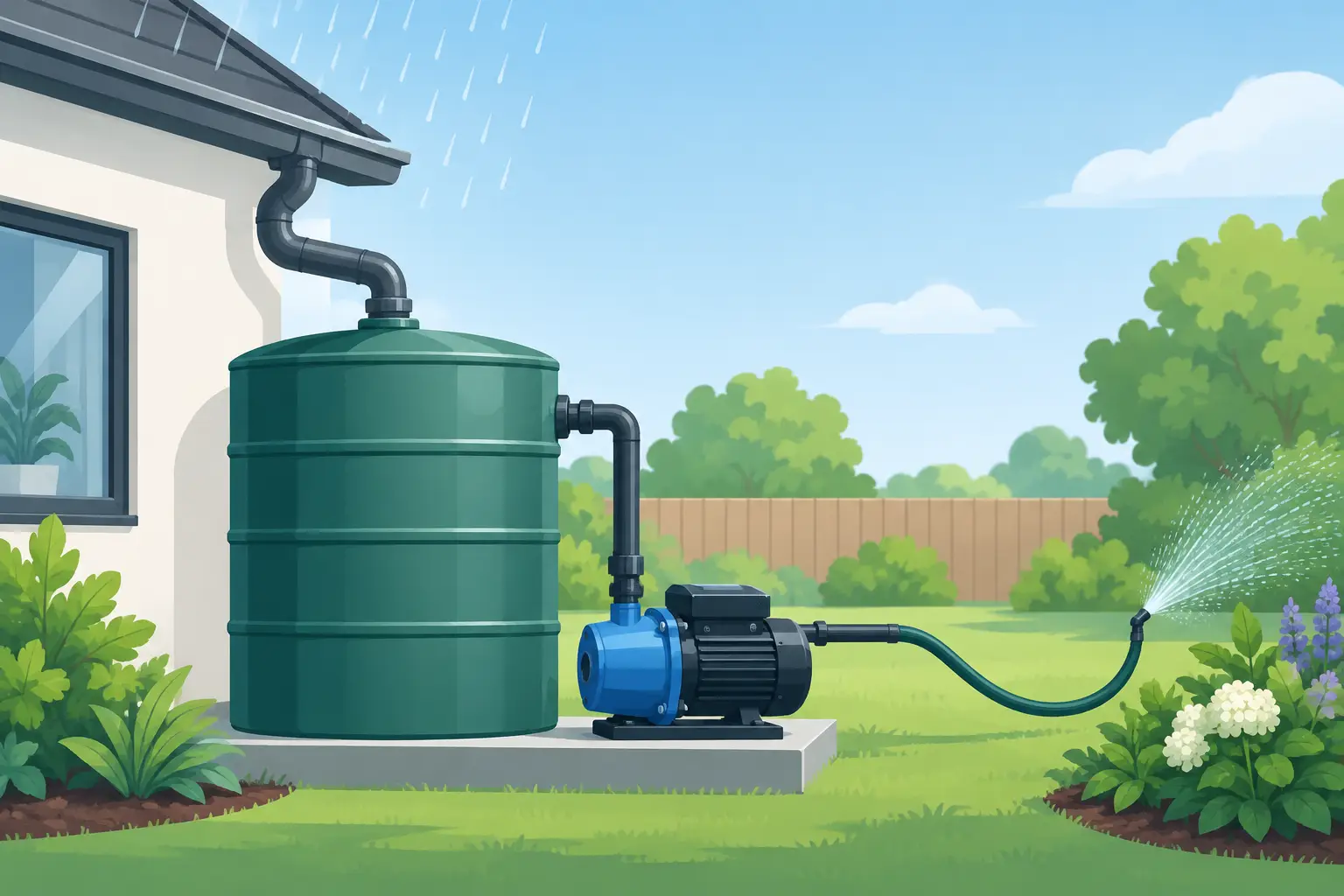
A full rainwater tank is of little use if the shower drops to a trickle whenever someone turns on a tap in the kitchen. Prime water pumps are the working link between stored water and a dependable household supply, helping deliver consistent pressure for drinking, washing, toilets, gardens and appliances.
Choosing a pump is not simply a matter of selecting the biggest motor. The right unit needs to suit your tank location, the height and size of the home, the number of outlets in use and the filtration equipment installed along the line. Getting those details right can mean quieter operation, better pressure and a system that serves the household reliably for years.
What Prime Water Pumps Need to Do
A household pressure pump draws water from a rainwater tank and pushes it through pipework to where it is needed. For a whole-house rainwater system, that can include every tap, shower, toilet, washing machine and outdoor outlet. The pump should start when water is called for and stop when demand ends, without constant cycling or noticeable pressure swings.
Two figures matter most when comparing pumps: flow and head. Flow is the volume of water a pump can deliver, commonly measured in litres per minute. Head describes the pressure the pump can produce to overcome height, pipe resistance and restrictions through filters or fittings. A pump can have a strong flow rating on paper but still disappoint if it is not capable of supplying enough pressure at your home’s highest outlet.
Pump curves are more useful than a maximum flow figure alone. They show how flow reduces as the pressure requirement rises. This is particularly relevant for homes on sloping blocks, double-storey homes and properties where the tank sits well away from the house.
Consider actual household demand
Start by thinking about what may run at the same time. A family home may have a shower operating while someone uses a kitchen tap, flushes a toilet or starts the washing machine. A modest weekend cabin has very different demand from a four-bedroom home with two bathrooms and regular visitors.
More flow capacity generally gives greater comfort during peak use, but oversizing a pump is not always the answer. An unnecessarily large pump can cost more, use more energy and may cycle excessively if it is paired with small pipework or low household demand. The aim is practical capacity, not the highest possible specification.
Account for elevation and pipework
Every metre of vertical lift from the tank water level to the highest outlet adds to the work the pump must do. Long pipe runs, undersized pipes, sharp bends and multiple fittings also reduce available pressure. Filters add resistance too, particularly when cartridges are nearing the end of their service life.
For this reason, a pump that works well beside a single-storey tank installation may not be suitable for a tank at the bottom of a steep block. Measure the approximate vertical rise, estimate the pipe distance and identify the highest and most demanding outlets before choosing.
Choosing the Right Pump Style
Most household rainwater systems use a surface-mounted pressure pump, usually installed beside the tank on a stable base. These pumps are accessible for maintenance and suit many domestic applications. A pressure controller or automatic pump controller allows the pump to respond to water demand, while a pressure tank can help reduce cycling in suitable setups.
Multistage pumps are often chosen where stronger, steadier household pressure is required. Their staged design can provide good pressure performance while remaining relatively compact. The best option depends on the required flow and head, rather than the number of stages alone.
Submersible pumps sit inside the tank and can be a sensible choice where noise, weather exposure or limited space around the tank is a concern. They are less visible and can be quieter at the home, although servicing requires access to the tank. Surface pumps are easier to inspect, while submersible options can keep the installation tidier. Neither is automatically better in every situation.
Priming Matters More Than Many Homeowners Expect
The word “prime” also refers to preparing a pump and suction line with water before operation. Surface-mounted pumps generally need a water-filled suction line to create the vacuum required to draw from the tank. If air enters the line through a loose fitting, damaged seal or faulty foot valve, the pump may lose prime and fail to deliver water properly.
Some pumps are described as self-priming, but this does not mean they can operate indefinitely with an empty or leaking suction line. They still need correct installation and initial priming according to the manufacturer’s instructions. Running a pump dry can damage internal components, so dry-run protection is a valuable feature where tank levels can fall low or supply interruptions are possible.
A quality foot valve or check valve helps keep water in the suction line when the pump stops. It also prevents debris from entering the system. Small installation details like this are often the difference between a trouble-free pump and one that needs repeated attention.
Match Prime Water Pumps to Your Filtration System
For homes using rainwater for drinking, cooking, showers and general household use, the pump and filter system must be considered together. Sediment filters remove dirt, rust particles and organic material before water reaches finer filtration stages. Activated carbon filters can improve taste and odour, while a correctly sized UV system can disinfect clear water by treating bacteria and other microorganisms.
Each filter housing, cartridge and UV unit creates some pressure loss. A pump must have enough available pressure to maintain comfortable flow after water passes through the complete system. This is especially important where several filtration stages are installed, or where cartridges have a fine micron rating.
Good pre-filtration protects both the pump and downstream equipment. Tank screens, leaf strainers and sediment filtration reduce the dirt that can wear seals, block valves and shorten cartridge life. If a pump seems weaker than usual, do not assume the pump has failed. A blocked strainer, clogged sediment cartridge or low tank level may be the actual cause.
For UV disinfection, water clarity is essential. UV light is less effective when sediment shields microorganisms from treatment, so sediment filtration should be maintained on schedule. Replacing cartridges and UV lamps when due helps protect water quality and prevents avoidable pressure problems.
Installation Details That Protect Performance
Place a surface pump on a firm, level base close to the tank where possible. Keeping the suction pipe short, direct and properly sized makes it easier for the pump to draw water efficiently. Use weather protection where needed, but allow enough ventilation for the motor and clear access for servicing.
Check that all pipe connections are airtight on the suction side. Even a small air leak may cause noisy operation, poor pressure or loss of prime. A flexible connector can help reduce vibration through rigid pipework, while correctly supported pipes prevent strain on fittings.
Electrical protection also matters. Pumps should be connected and protected in line with applicable electrical requirements, and installation work should be completed by appropriately qualified tradespeople. If your rainwater system supplies toilets or has a mains water backup, the changeover arrangement must also meet local plumbing requirements to prevent cross-connection issues.
Know When a Pump Needs Attention
A sudden change in water pressure deserves investigation before it becomes a larger problem. Common signs include the pump running continuously, frequent on-off cycling, unusual noise, water spurting from taps or a noticeable drop in shower pressure.
Start with the simple checks: confirm there is sufficient water in the tank, inspect strainers, replace blocked cartridges and look for visible leaks. If the pump is running but no water is reaching the house, check whether it has lost prime or whether the suction line is admitting air. Electrical faults, controller issues and internal pump wear need professional assessment.
Regular servicing is usually less costly than waiting for a complete failure. Keep an eye on filter replacement intervals, clean strainers, inspect fittings and act early if the pump begins behaving differently. These checks help protect the investment made in your tank, pump and whole-house filtration system.
A well-matched pump should fade into the background of daily life: taps run properly, showers stay comfortable and filtered rainwater reaches the home when it is needed. If you are comparing options, Aus Water Tanks can help make sense of pump capacity, filtration pressure loss and the practical details that suit your household setup.